A note from Dave: I had the pleasure of getting to know Emma when she moved to Portland several years ago to research Simone Weil Catholic Worker as part of her senior thesis. We bonded over our shared experience of Jesuit education, and though she received the Moses Taylor Pyne Prize (in Princeton speak, the Pyne Prize is “the highest general distinction conferred on an undergraduate,” which is way f*%king cooler than being valedictorian) upon graduating from Princeton (something she won’t brag about, but I will), she most certainly diverges from the (stereo)typical Ivy League alum profile. All profits from wines sold will be donated to provide Emma a modest honorarium, and to support the work of the Simone Weil House community.
The journals and public writings of Dorothy Day, the co-founder of the Catholic Worker movement, are full of this quote from Dostoevsky’s The Idiot: “The world will be saved by beauty.” We’ll keep an eye on this theme as we explore the founding vision of the Catholic Worker movement–one that included houses of hospitality, roundtable discussions for clarification of thought, and ‘agronomic universities’–and how we try to live them at the Simone Weil House in NE Portland. We’ll also look to Simone Weil, our community’s namesake, and Emma’s training in Byzantine iconography to help us understand how the love of beauty and the love of our neighbor are two faces of the same reality.
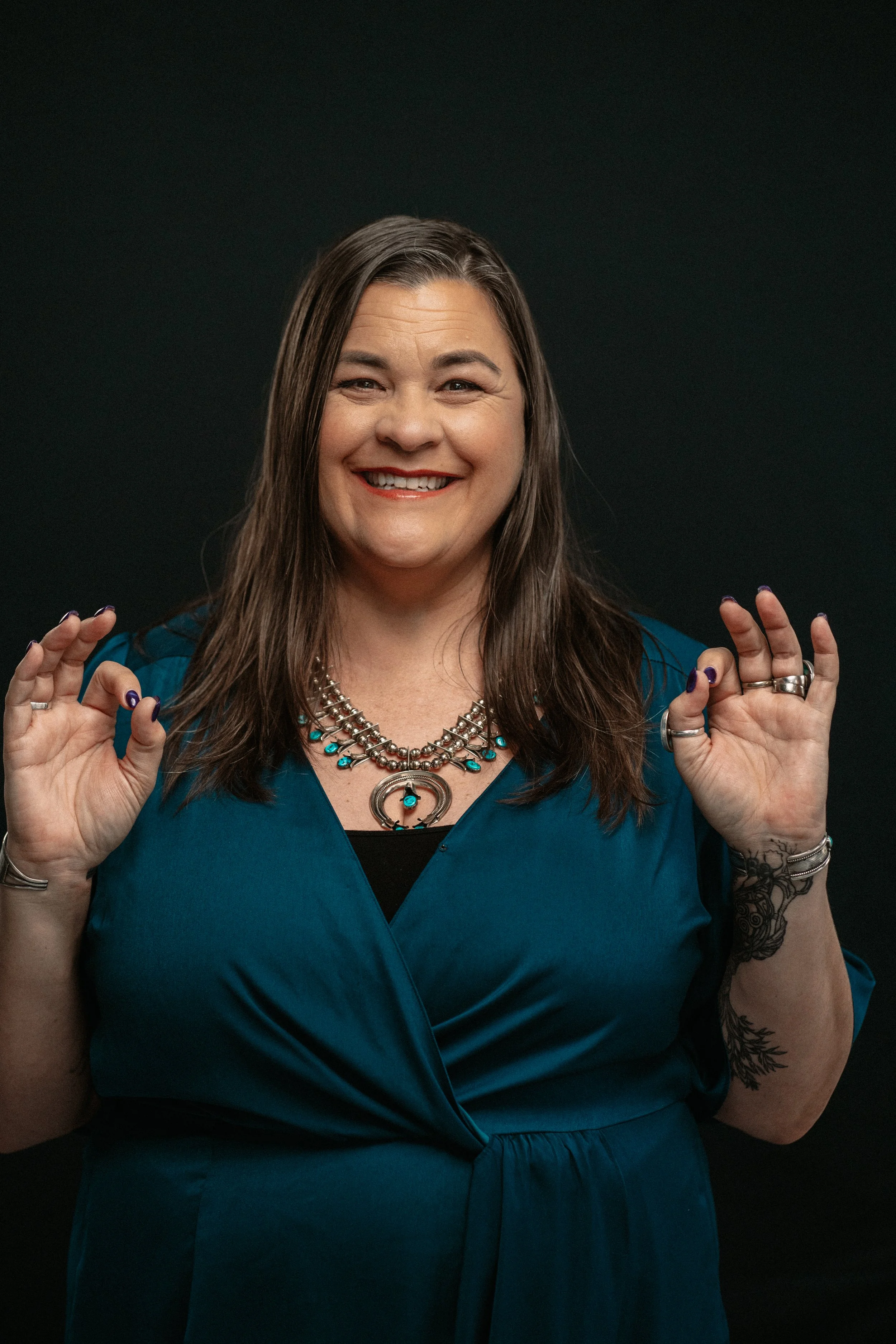
Emma Fitzgerald lives in and co-organizes Simone Weil Catholic Worker and teaches Byzantine drawing at the Classical Iconography Institute. Emma was first introduced to Dorothy Day, by a priest at her Ohio Jesuit high school who thought she would appreciate Dorothy’s "willfulness." She continued to find in the Catholic Worker lived responses to the questions that seemed to her most urgent–spiritually, intellectually, and politically. She graduated from Princeton University in 2020 with a B.A. in Religion. Her ethnographic fieldwork and thesis on self-governing “village” communities of folks living outside led her to Portland and to the Simone Weil House. Planning to stay at Worker for 6 months, she has now been here for five years with her now-husband Bert.
A note from Dave: I had the pleasure of getting to know Emma when she moved to Portland several years ago to research Simone Weil Catholic Worker as part of her senior thesis. We bonded over our shared experience of Jesuit education, and though she received the Moses Taylor Pyne Prize (in Princeton speak, the Pyne Prize is “the highest general distinction conferred on an undergraduate,” which is way f*%king cooler than being valedictorian) upon graduating from Princeton (something she won’t brag about, but I will), she most certainly diverges from the (stereo)typical Ivy League alum profile. All profits from wines sold will be donated to provide Emma a modest honorarium, and to support the work of the Simone Weil House community.
The journals and public writings of Dorothy Day, the co-founder of the Catholic Worker movement, are full of this quote from Dostoevsky’s The Idiot: “The world will be saved by beauty.” We’ll keep an eye on this theme as we explore the founding vision of the Catholic Worker movement–one that included houses of hospitality, roundtable discussions for clarification of thought, and ‘agronomic universities’–and how we try to live them at the Simone Weil House in NE Portland. We’ll also look to Simone Weil, our community’s namesake, and Emma’s training in Byzantine iconography to help us understand how the love of beauty and the love of our neighbor are two faces of the same reality.
Emma Fitzgerald lives in and co-organizes Simone Weil Catholic Worker and teaches Byzantine drawing at the Classical Iconography Institute. Emma was first introduced to Dorothy Day, by a priest at her Ohio Jesuit high school who thought she would appreciate Dorothy’s "willfulness." She continued to find in the Catholic Worker lived responses to the questions that seemed to her most urgent–spiritually, intellectually, and politically. She graduated from Princeton University in 2020 with a B.A. in Religion. Her ethnographic fieldwork and thesis on self-governing “village” communities of folks living outside led her to Portland and to the Simone Weil House. Planning to stay at Worker for 6 months, she has now been here for five years with her now-husband Bert.


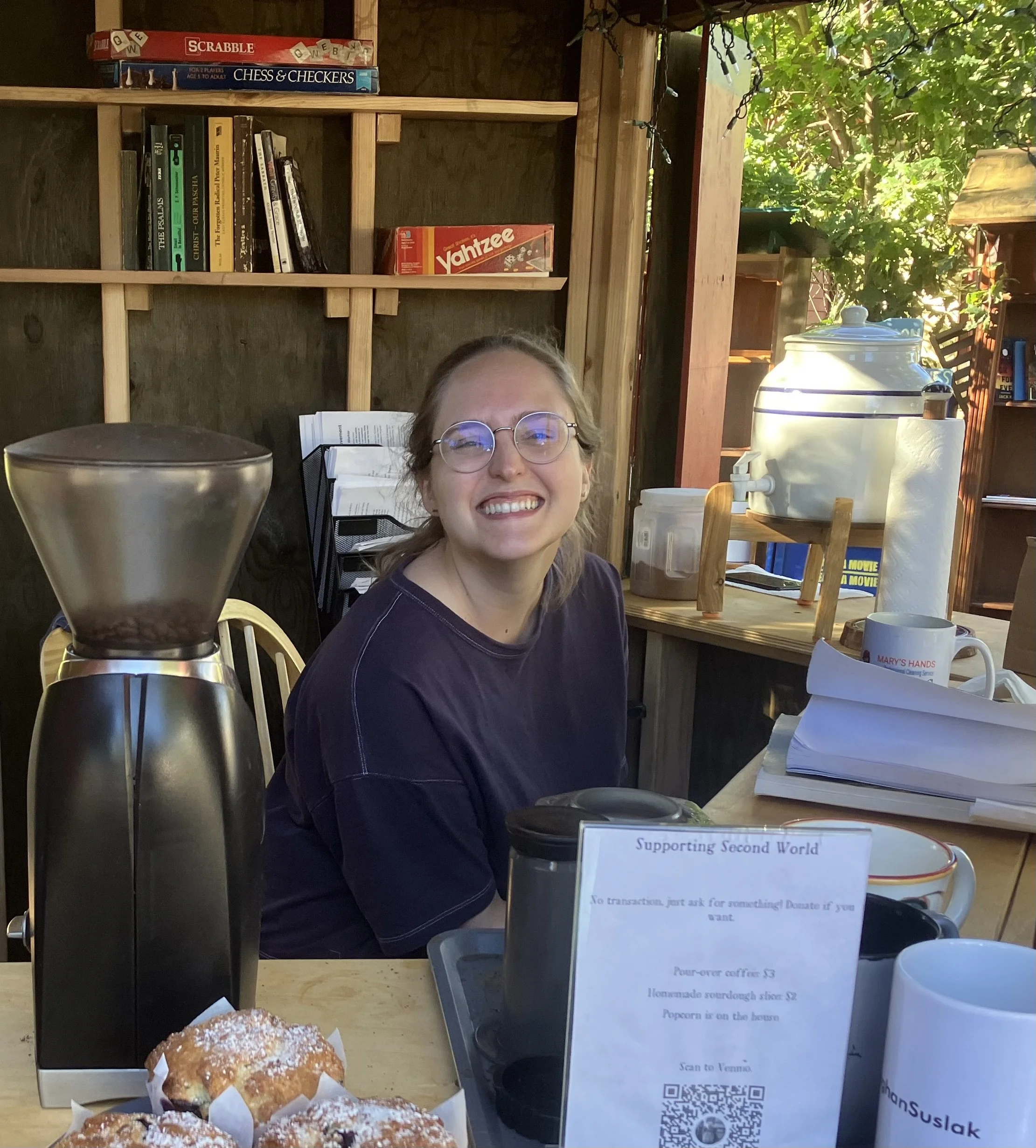 Image 1 of 1